



Imagine relying on an insulation tester that gives you a “safe” reading, only to discover later that the equipment itself was faulty. In industries where electrical safety is non-negotiable, this scenario isn’t just inconvenient — it can be dangerous. That’s where an insulation tester calibrator steps in.
Whether you’re an electrical engineer, a quality control professional, or someone managing a testing lab, understanding how insulation tester calibrators work can save you from costly errors, equipment failures, and even safety hazards. In this article, we’ll break down everything you need to know about insulation tester calibrators — what they are, why they matter, and how to choose one that fits your needs.
What Is an Insulation Tester Calibrator?
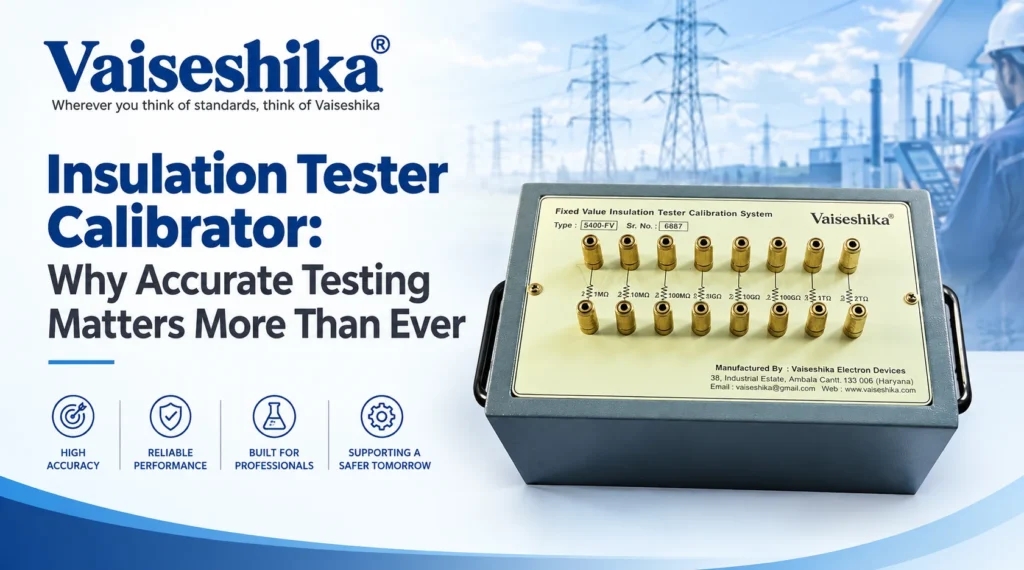
An insulation tester calibrator is a precision instrument used to verify and adjust the accuracy of insulation resistance testers (also known as megohmmeters or meggers). These testers measure the resistance of electrical insulation to ensure it can safely withstand voltage without leaking current.
Over time, insulation testers can drift from their original accuracy due to wear, environmental exposure, or frequent use. A calibrator checks the tester’s output against known reference values and corrects any deviation, ensuring the device continues to deliver trustworthy results.
Why Calibration Is Necessary
Without regular calibration, an insulation tester might:
- Give false-positive readings, indicating insulation is safe when it isn’t
- Show inconsistent results across multiple tests
- Fail to meet compliance standards required for audits or certifications
- Lead to premature equipment failure or safety incidents
In short, calibration isn’t optional — it’s a critical part of maintaining reliable electrical testing.
How Does an Insulation Tester Calibrator Work?
At its core, the calibration process involves comparing the readings of an insulation tester against a set of known, traceable standards. Here’s a simplified breakdown of the process:
- Connection Setup – The insulation tester is connected to the calibrator using appropriate leads.
- Reference Testing – The calibrator applies a known resistance or voltage value.
- Comparison – The tester’s reading is compared against the calibrator’s reference standard.
- Adjustment – If there’s a deviation, the tester is adjusted (or flagged for repair) to match the correct value.
- Documentation – A calibration certificate is issued, confirming the tester’s accuracy and traceability.
This process ensures that when you use your insulation tester in the field, you can trust the numbers it gives you.
Key Features to Look for in an Insulation Tester Calibrator
Not all calibrators are built the same. When choosing one for your lab or facility, consider the following:
1. Accuracy and Range
Look for a calibrator that covers the full voltage and resistance range of the insulation testers you plan to calibrate. A wider range offers more flexibility for different applications.
2. Traceability
Ensure the calibrator’s reference standards are traceable to recognized national or international measurement standards (such as NABL in India or NIST internationally). This is especially important for audits and compliance certifications.
3. Ease of Use
A good calibrator should have a clear interface, straightforward connection points, and simple operating procedures — reducing the chance of human error during calibration.
4. Portability
If you’re calibrating equipment across multiple sites, a compact and portable calibrator can save significant time and effort.
5. Automation Capabilities
Some advanced calibrators offer automated testing sequences, which speed up the process and minimize manual intervention.
Who Needs an Insulation Tester Calibrator?
While it might sound like a niche tool, insulation tester calibrators are essential across a wide range of industries, including:
- Electrical maintenance teams ensuring workplace safety
- Manufacturing units with heavy machinery and wiring systems
- Testing and calibration laboratories offering third-party services
- Power utilities managing transmission and distribution equipment
- Quality assurance departments in industrial plants
If your organization uses insulation resistance testers regularly, periodic calibration should be part of your standard operating procedure.
Benefits of Regular Calibration
Investing in routine calibration isn’t just about compliance — it delivers real, measurable benefits:
- Improved Safety – Reduces the risk of electrical faults and accidents
- Regulatory Compliance – Helps meet industry standards and audit requirements
- Cost Savings – Prevents unnecessary equipment replacement due to inaccurate readings
- Extended Equipment Life – Well-maintained testers last longer and perform better
- Reliable Data – Ensures decisions based on test results are sound and accurate
How Often Should You Calibrate?
Calibration frequency depends on several factors, including how often the equipment is used, the environment it’s exposed to, and manufacturer recommendations. As a general guideline:
- Heavy daily use – Calibrate every 6 months
- Moderate use – Annual calibration is often sufficient
- Critical safety applications – Follow stricter internal protocols, sometimes quarterly
Always refer to your equipment’s user manual and any relevant industry regulations for specific guidance.
Choosing a Reliable Calibration Service
If you’re not calibrating in-house, partnering with a trusted calibration service provider is essential. Look for providers who:
- Offer NABL-accredited calibration services
- Provide detailed calibration certificates
- Have experience with a wide range of insulation testers
- Offer quick turnaround times to minimize downtime
Working with an experienced provider ensures your equipment meets both safety and compliance requirements without unnecessary delays.
Conclusion
An insulation tester calibrator might not be the most talked-about piece of equipment, but its role in maintaining electrical safety and measurement accuracy is undeniable. Whether you’re managing a testing lab, overseeing industrial maintenance, or ensuring compliance in a manufacturing facility, regular calibration keeps your insulation testers reliable and your operations safe.
By understanding how these calibrators work and choosing the right one — or the right calibration partner like Vaiseshika— you protect not just your equipment, but the people and processes that depend on accurate electrical testing every single day.
Frequently Asked Questions (FAQs)
1. What is the main purpose of an insulation tester calibrator?
It verifies and corrects the accuracy of insulation resistance testers, ensuring they provide reliable and safe measurement readings.
2. How often should an insulation tester be calibrated?
This depends on usage frequency, but generally every 6 to 12 months, or as recommended by the manufacturer.
3. Can I calibrate an insulation tester myself?
Yes, if you have the right calibrator and expertise. However, professional calibration services offer traceable certificates that are often required for compliance.
4. What happens if an insulation tester isn’t calibrated?
It may give inaccurate readings, leading to safety risks, compliance failures, or faulty equipment assessments.
5. Is calibration mandatory for insulation testers used in industries?
In most regulated industries, yes. Calibration ensures safety standards and audit compliance are met consistently.